






$41.7 million in a single month. That is how much Pump.fun earned in fees in January 2026 alone. To understand the scale — that’s nearly a quarter of the total revenue of one of the largest blockchains, Solana. Meme coins have become serious business.
At first glance, the industry appears to be thriving. However, statistics are unforgiving: 99% of meme coins fail within the first 24 hours after launch. The classic pump-and-dump scheme remains in action. Yet despite these odds, the platform maintains a daily audience of 289,000 users.
What new launch mechanics have emerged, and what has changed in the approach to creating meme tokens? Let’s break down what has evolved.
Looking back at the history of meme launchpads, it used to be a chaotic lottery with unpredictable outcomes — random spikes of interest, unexpected launches, sharp rises and collapses. Today, it is no longer chaos, but an organized market generating stable revenues.
Growth and Revenue of Meme Launchpads in January 2026
Data from Token Terminal speaks for itself. January 2026 became a record-breaking month for Pump.fun: the platform generated $41.7 million in revenue. If broken down into daily figures, that equals a stable average of $1.3 million per day.
Look at the momentum: for ten consecutive days, Pump.fun maintained over $1.5 million in daily revenue. No sharp drops, no lottery-like volatility — just a stable, predictable flow. The peak occurred on January 26, reaching $2.04 million in a single day.
This is no longer the speculative chaos of 2023–2024, when revenues fluctuated wildly from zero to millions. This is a mature industry with a consistent audience and a sustainable business model.
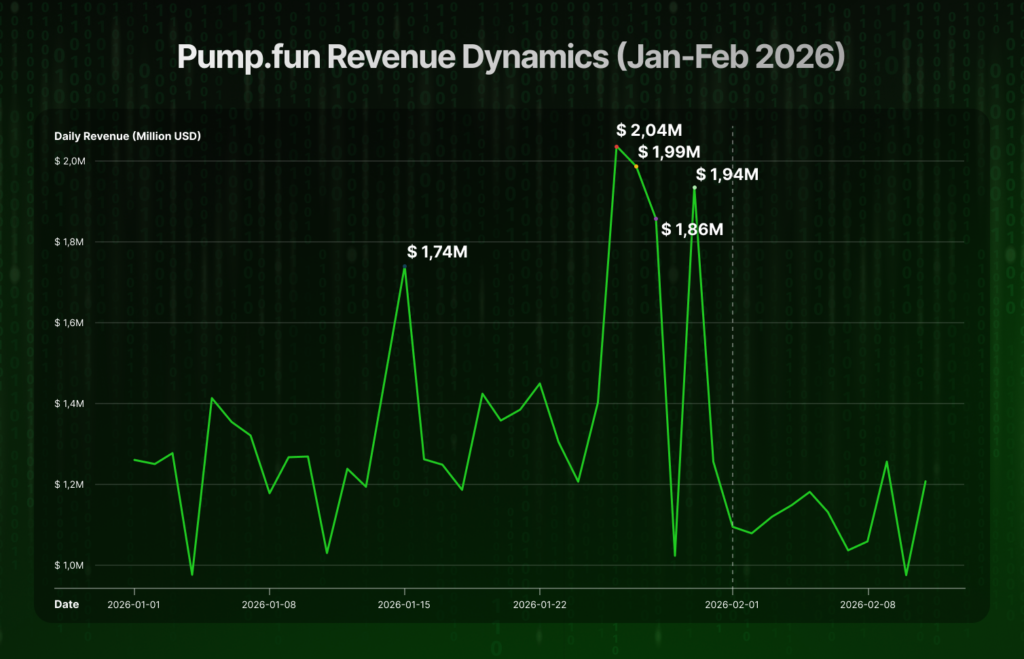
In February, the pace slowed slightly — $12.2 million over the first 11 days. The market is catching its breath after January’s records. But this is a healthy sign: the ecosystem has matured and now operates steadily, without chaotic spikes.
From Chaos to Structure: How Meme Token Launches Have Evolved
Previously, launchpads did one thing — launch tokens. In 2026, everything changed. Now they are full-scale platforms that guide a project from launch to active trading.
For example, in February, Pump.fun acquired the trading terminal Vyper and integrated it directly into the token launch process. As a result, token creators received an all-in-one solution: launch infrastructure and trading tools. Users no longer need to rely on third-party services — everything operates within a single ecosystem.

Syndicate – Less Noise, More Action
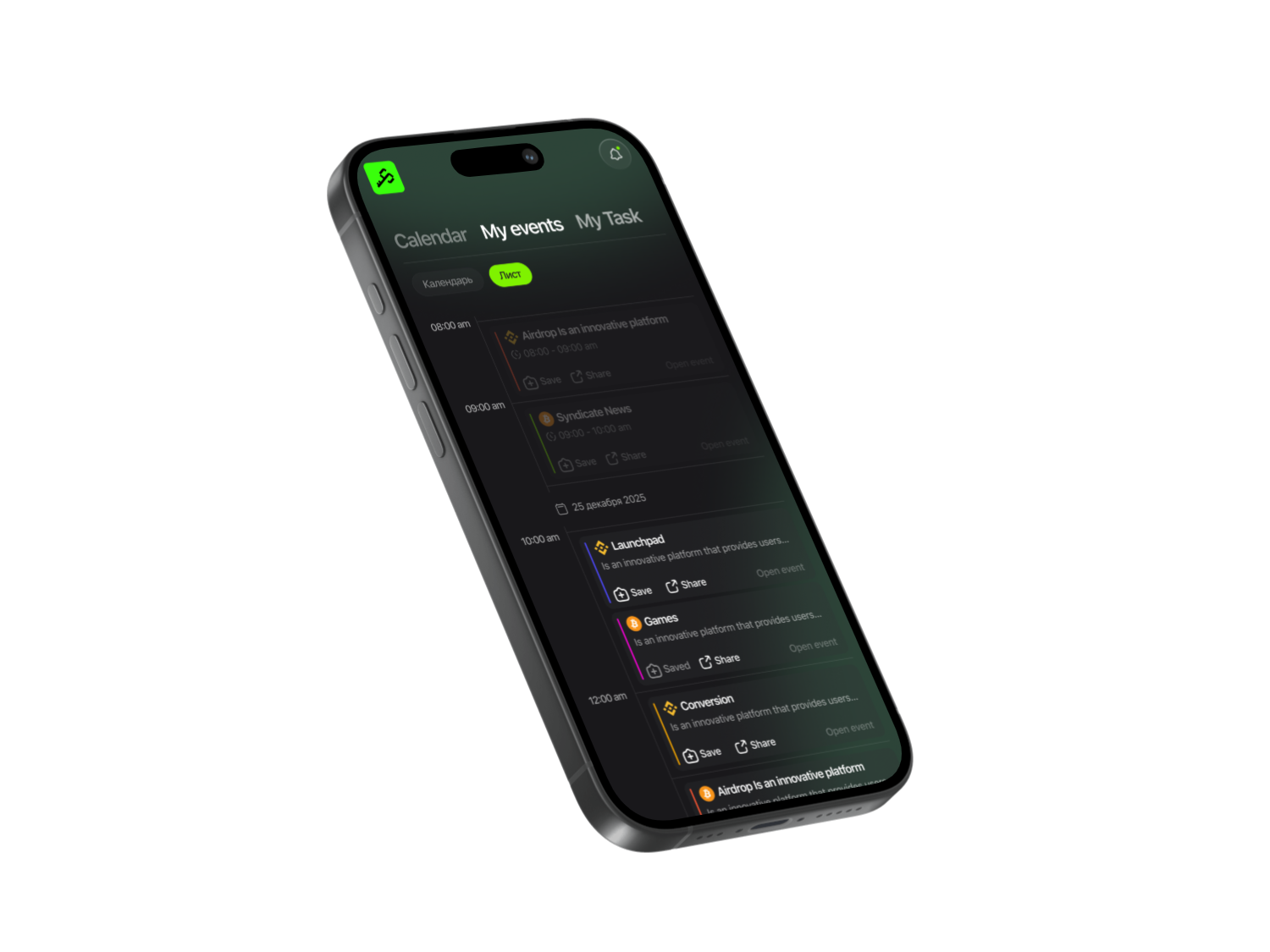
Never miss an Airdrop with a smart calendar, instant notifications, and community-driven insights.


Another major innovation is Creator Fee Sharing — the ability to automatically distribute revenue. A token creator can now configure commission distribution across up to 10 different wallets. This is not merely a technical feature; it represents a shift in launch philosophy.
There is no longer a need to manually split funds among team members after every successful trading day. The system automatically distributes revenue according to predefined percentages. Bringing in an influencer for promotion? Assign them a percentage of fees directly to their wallet — they will be incentivized to increase trading volume. Want to fund marketing and community development? Allocate a portion of revenue to a dedicated wallet automatically, without manual transfers. This functionality also opens the path toward DAO formation — decentralized organizations where governance and finances are distributed among participants from day one.
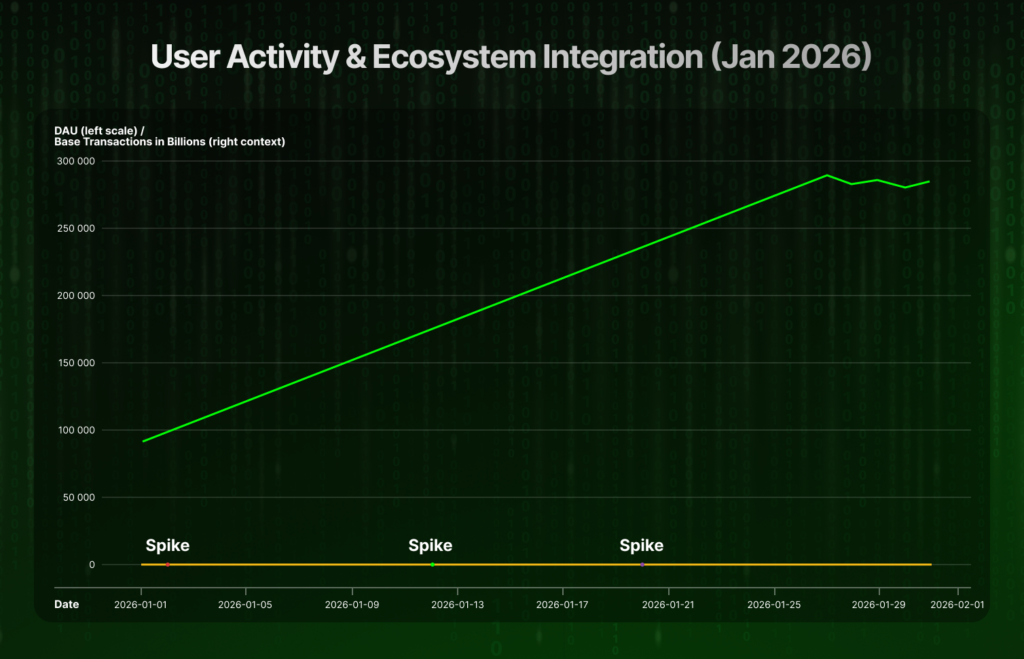
February 2026: Solana remains the king of meme launches. Pump.fun and PumpSwap generate the majority of activity, and the numbers are impressive. On January 5 alone, PumpSwap processed $1.2 billion in daily trading volume. That record highlights the depth of liquidity within this ecosystem.
But Base is rapidly closing the gap. January demonstrated strong momentum — total DEX trading volume on the network consistently exceeded $1.2 billion per day. This is no longer a minor alternative, but a serious competitor.
Now comes the most interesting part. Analysts noticed an unusual pattern: when Base experienced sharp spikes in activity (notably on January 2, 12, and 20), one or two days later Pump.fun saw an increase in active users.
This suggests a cross-chain synergistic effect. The meme token market operates as a unified ecosystem. Successful launches on Base reignite broader interest in meme coins, prompting traders to seek new opportunities on Solana. And vice versa. Platforms are not competing in isolation — they reinforce each other’s activity. Success on one network stimulates growth on others.
New Mechanics: Platform Integration and Automated Revenue Sharing
The meme launchpad industry has changed beyond recognition. Two years ago, it was a wild market dominated by chaos and speculation. Today, it is a structured industry equipped with professional tools and clear infrastructure.
So what defines the market in 2026? Three key trends.
- Vertical integration. Launchpads no longer simply launch tokens; they have evolved into full-scale trading platforms with built-in terminals, analytics, and marketing tools.
- Team-based models. Modern projects are built around automatic revenue distribution among developers, marketers, and influencers. Collective collaboration and transparent profit sharing make projects more sustainable and trustworthy.
- Cross-chain synergy. Platforms do not compete in isolation. Success on Base drives activity on Pump.fun. Success on Solana energizes the entire market. Growth on one platform fuels development on others.
The conclusion is simple: meme tokens are no longer a lottery. They are an industry with rules, standards, and professional tools. Those who understand this will survive.
Share this post
Link copied!