




Most people only discover a project after it has already distributed tokens. They open X, see other people’s screenshots of claims worth several thousand dollars, and think, “Well, there it goes again — I missed it.” But they did not miss it by accident. They simply did not know the project roadmap.
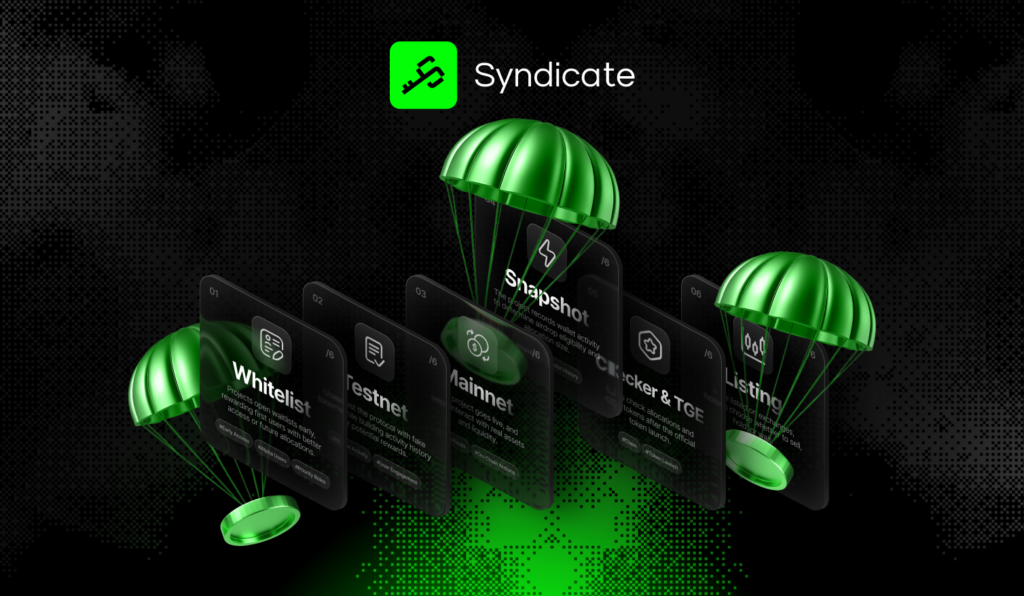
Every airdrop project follows a predictable path. It is almost always the same, with only the details and timing changing. If you understand that path, you get in earlier than others and receive more.
It Starts With the Waitlist
The first signal that a project is preparing to launch is the waitlist. The team announces registration in advance, even before the product is actually ready to use. At first glance, it may seem strange to register for something that does not exist yet.
Here is why: projects give priority to their earliest users. Those who signed up in the first days later receive bigger rewards, exclusive access, or a higher tier in the token distribution system. This is not just a marketing trick — it is a real mechanic in most airdrops. The waitlist is the zero point. Nothing is required except leaving your mark.
Testnet Is the Most Important Stage
After the waitlist comes the testnet. This is where the foundation for the future airdrop is laid. At this stage, the project releases a test version of its product. You use it like a regular user: you make transactions, use the interface, and find bugs. Everything happens on a test network, with no real money and no real tokens.
This is where your activity history takes shape. Many projects look at how active you were in the testnet when they calculate the final size of the airdrop. Those who join at this stage and stay for a long time usually receive more than those who join at the very end. When testing ends, the next airdrop stages often follow — snapshot/TGE and checker/listing. If that has not happened yet, it will usually appear on mainnet.
Mainnet Means It Gets Serious
On mainnet, the product operates in live conditions: real blockchain, real assets, no test tokens. At this stage, you need to do real activity — use the protocol as intended. Swap, stake, provide liquidity, bridge assets — depending on what the project is building. This is also where you can lose money on gas or fees, so it is important to judge realistically whether the project looks promising.
The Snapshot Is the Moment That Decides Everything
At some point, usually without warning, a snapshot happens. This is when the project records the blockchain state: who did what, how long ago, how often, and for what amounts. In practice, this becomes the basis for calculating the airdrop. The algorithm looks at your history and decides whether you qualify and how many tokens you get.
That is why it is important not to stop activity in the middle of mainnet — nobody knows the exact snapshot date. Projects rarely announce it in advance, so they do not create artificial activity spikes in the final days.
TGE and the Checker
After the snapshot, the checker appears — a special website where you can enter your wallet address and see whether you qualified and how much you will receive. The checker moment is one of the most stressful in crypto. You either see the magic numbers or you do not. Then comes the TGE — Token Generation Event, meaning the official token launch. This is the final stretch. If you are on the list, you claim. It is a simple transaction, after which the tokens land in your wallet.
Listing Is the Final Decision
The last stage is the listing, when the token goes live on exchanges and starts trading at market price. This is where you make the main decision: sell immediately, wait for growth, or hold long term.
Listing behavior is almost a science of its own. Many airdrops drop sharply after listing because hundreds of thousands of people sell at once. Others unexpectedly pump. There is no universal answer, but knowing the market and the specific project helps a lot when making the right call.
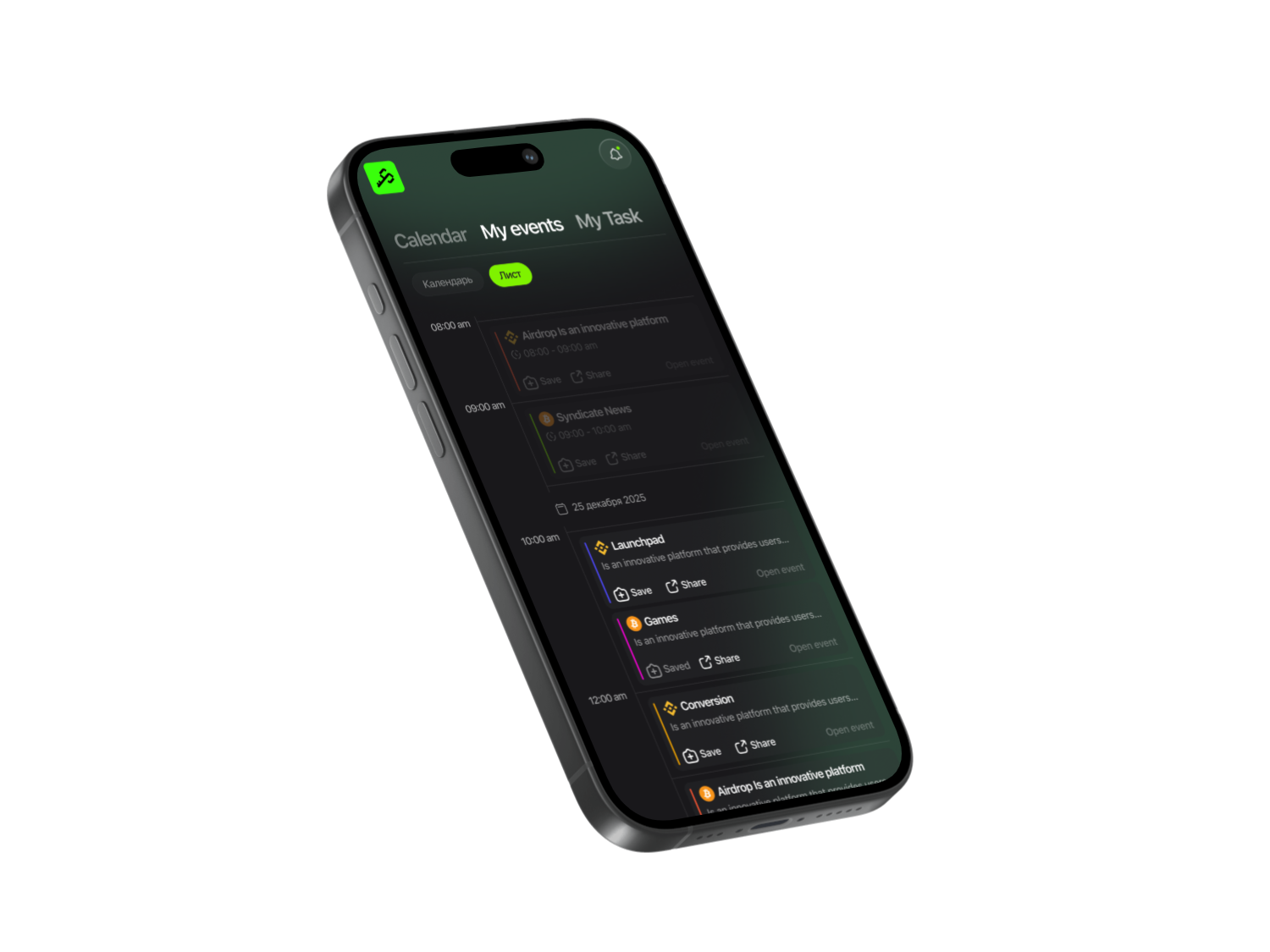
Understanding the project lifecycle is a skill that comes with experience. Follow new projects in the Syndicate app, enter at early stages, and track snapshots in time.
Read next
How Token Allocation Works in Airdrops
Share this post
Link copied!