




Attackers send users fake tokens or NFTs disguised as free gifts. The ultimate aim of such attacks is to steal valuable assets, obtain personal data, or gain unauthorized access to the victim’s crypto wallet.
Common Types of NFT Airdrop Scams
Unlike legitimate airdrops, where real projects distribute tokens to attract an audience, fraudulent airdrops pursue different goals. These include stealing funds, collecting personal data, or installing malware.
A user receives an unexpected notification claiming they were gifted an exclusive NFT. Such messages are often disguised as well-known projects: the names are almost identical to the originals but differ by one or two characters. For example, an NFT may appear in your wallet allegedly belonging to the popular project Bored Ape Yacht Club. But on closer inspection, it turns out to be called “Bored Ape Yatch Club.”
They may also be presented as endorsements from popular figures to build trust and prompt action. As soon as you follow the link, you may land on a phishing site or directly grant scammers access to your wallet, losing valuable assets. You might even receive instructions on how to “claim your reward.” Such forgeries are created to inspire trust and push the user into interacting with a fake asset.
Impersonating marketplace support services is also one of the most common fraud schemes in the NFT market. Attackers create messenger accounts with names like “OpenSea Support” and pose as employees of popular platforms. Their goal is to extract the user’s private keys or sell them counterfeit NFTs. The scheme is simple: as soon as someone mentions a problem in a chat, fake “support representatives” immediately reach out first.
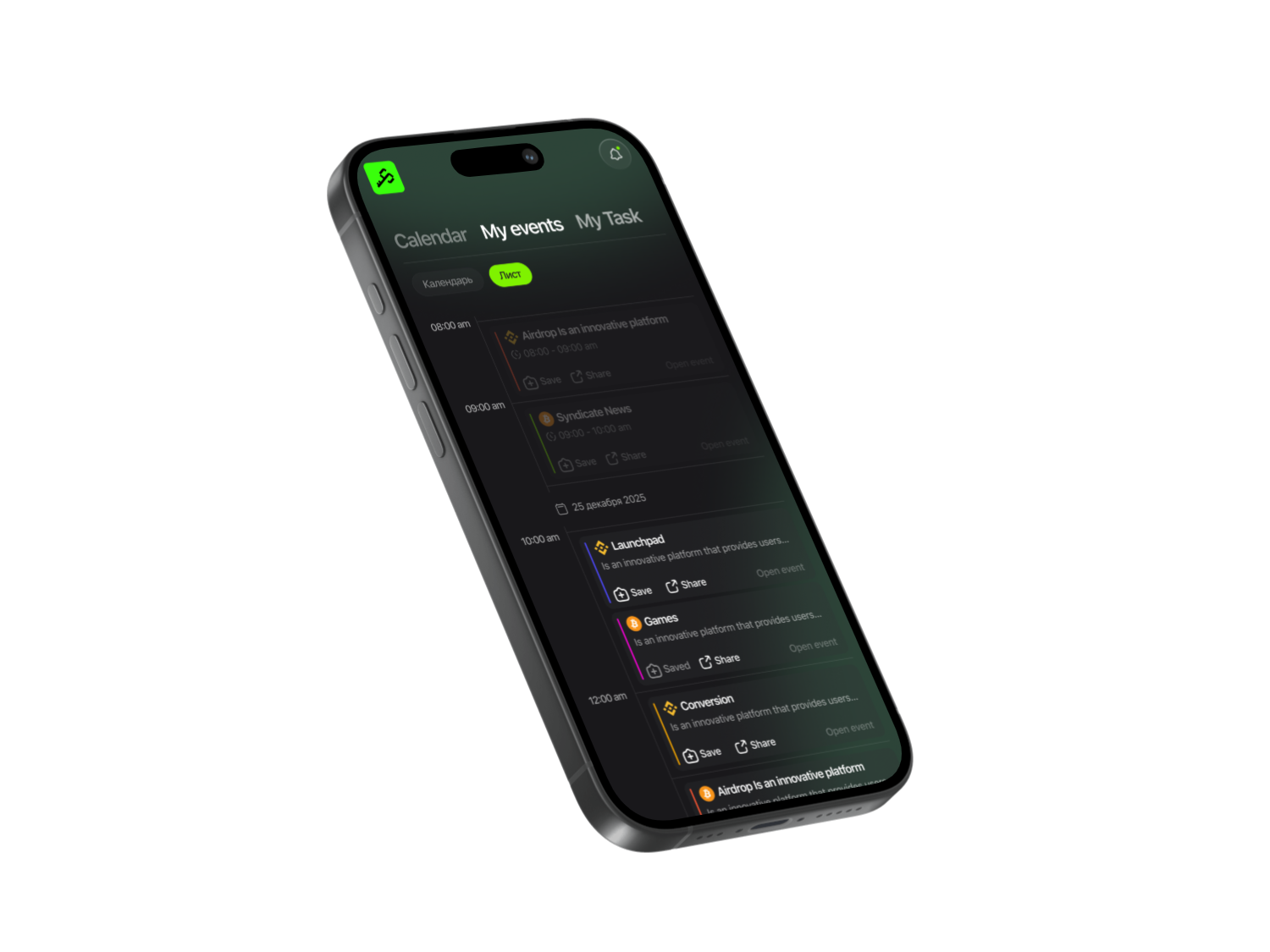
To avoid becoming a victim of this scheme, do not describe your issues in public chats—contact support only through official channels listed on the project’s website. Before joining a marketplace community, make sure it is an official channel. All links to projects distributing airdrops are provided in the Syndicate app.
Get More with Syndicate App


And most importantly, never share your account details, private keys, or seed phrase with anyone: real marketplace employees do not need this information.
Red Flags and Warning Signs
Fraudulent NFT airdrops can be easy to miss — especially when the offer looks attractive. An unsolicited NFT in your wallet is already a reason to be cautious. If you did not participate in any giveaways and were not expecting any assets, the appearance of a foreign token almost certainly indicates an attempt at manipulation.
It may all start with a flashy announcement on social media: users are told about a limited-time free NFT giveaway. Those wishing to receive tokens are directed to a website that looks almost identical to a real NFT marketplace — deliberately creating a sense of reliability and security.
To “claim” the airdrop, the user is asked to enter personal data or connect a crypto wallet to the site. At this moment, attackers either directly steal private keys or manipulate the user into confirming a transaction that effectively drains the wallet.
Additional warning signs:
- promises of free transactions, staking, or swaps;
- offers to burn an NFT in exchange for tokens with “real value”;
- vouchers to claim assets supposedly owed to you;
- links to unfamiliar websites embedded in metadata or directly in the token image.
How Scammers Lure Victims
Several proven tactics are always at the core.
- FOMO — the fear of missing out. Scammers deliberately create a sense of urgency: “today only,” “10 spots left,” “exclusive access.” Under time pressure, people act impulsively and fail to properly verify information.
- Fake branding. Attackers copy the logos, colors, and style of well-known NFT projects with alarming precision. Even experienced users may not notice the deception right away.
- Community infiltration. Scammers actively participate in Discord servers and social media groups, gradually earning participants’ trust. Once trust is established, they strike.
- Fake roadmaps and whitepapers. To make a project look serious, scammers prepare detailed development plans and technical documents. At first glance, everything appears convincing—just like a genuine promising project.

Important information
Remember: if an offer seems too good to be true, it is most likely a trap.
Best Practices for Staying Safe in the NFT Space
The main rule is not to interact with any NFTs that appear in your wallet without your knowledge. Do not follow links from token metadata or images. Never share your secret recovery phrase or private key with anyone.
Before signing any transaction, carefully review exactly what you are signing. And remember: the sophistication of scammers in web3 grows along with the ecosystem many fake NFTs look visually convincing and are almost indistinguishable from the originals.
Can NFT Airdrops Steal Funds?
Yes and this is precisely their main danger. Simply receiving an NFT does not cause harm—the problems begin when you interact with it. A fraudulent airdrop usually works in one of two ways: either you are redirected to a phishing site to steal your secret recovery phrase or private key, or you are tricked into signing a malicious transaction capable of draining the entire wallet or stealing specific assets.
The consequences depend on the specific scheme. In most cases, you will be redirected to a fake website where attackers attempt to extract credentials or persuade you to sign a transaction. By signing it, you effectively grant the scammer permission to control your assets—and they will use it immediately. Recovering funds after such an attack is extremely difficult and, in most cases, impossible.
Share this post
Link copied!