





What Are dApps?
Decentralized applications (dApps) are apps that run not on corporate servers, but on a blockchain. Visually and functionally, they often resemble regular online services, but they aren’t controlled by a single company or central authority. dApps can take many forms — games, financial tools, social networks, and more.
These applications operate within decentralized networks where thousands of users interact on equal terms in a peer-to-peer (P2P) environment.
Key Features of dApps
Transparency of code. Anyone can review the source code, and users can propose changes or vote on updates.
Data protection. All information is encrypted and stored on a blockchain supported by thousands of computers worldwide. Altering or falsifying data is practically impossible.
Token-based functionality. Many dApps require specific tokens — from major cryptocurrencies like Ethereum to app-native coins. Tokens also reward miners and stakers who secure and maintain the network.
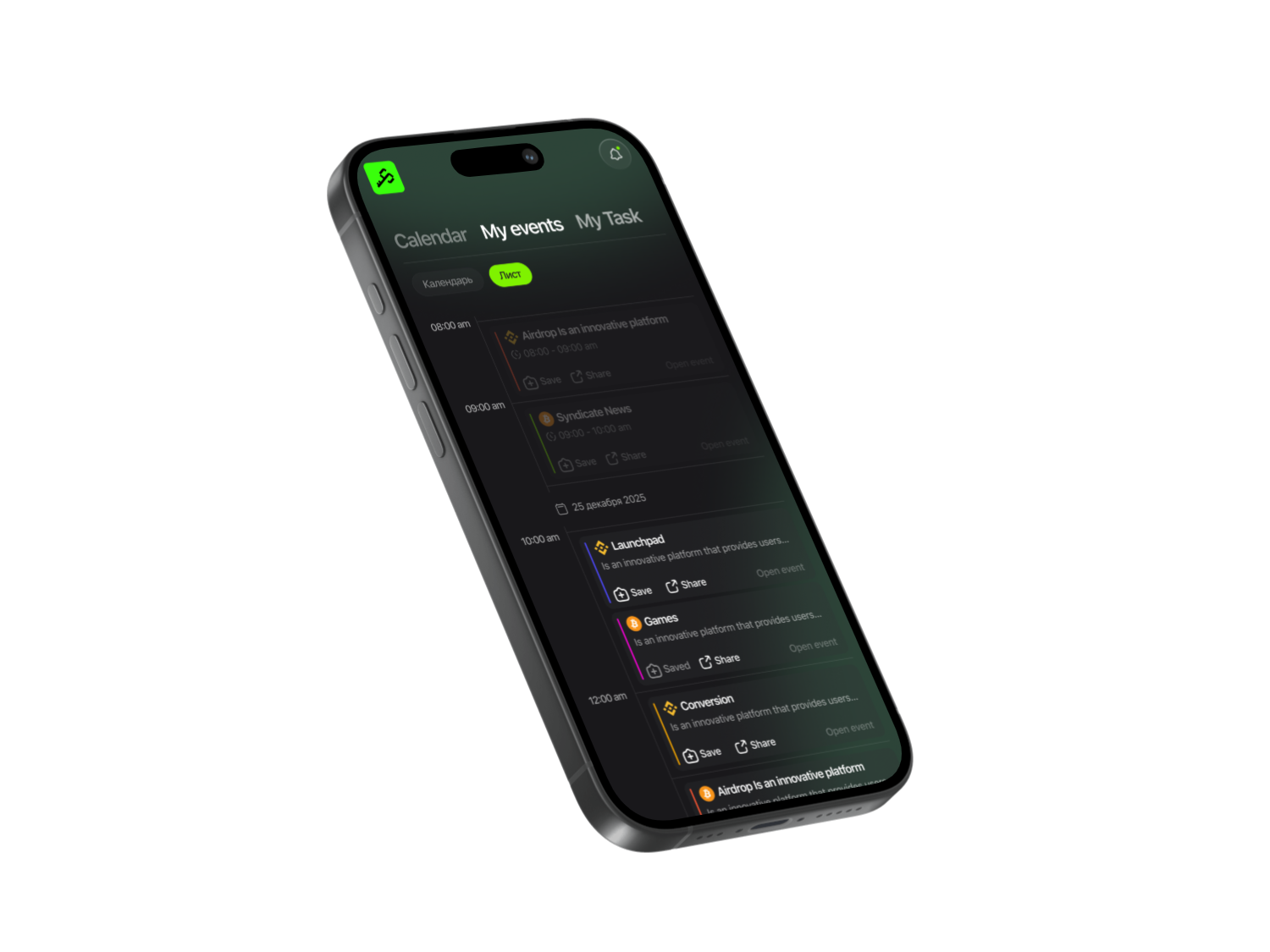
Get More with Syndicate App


How dApps Work
When people talk about dApps, they usually mean applications powered by smart contracts — self-executing digital agreements that trigger actions once certain conditions are met.
Instead of running on a single server, the code is executed simultaneously across many computers in a P2P network. A smart contract includes precise rules written in code, and once conditions are fulfilled, the network automatically carries out the required operations.
After a smart contract is deployed on the blockchain, modifying or removing it becomes extremely difficult. This means that even if the development team disappears, the application keeps running and remains accessible to users.
Bitcoin’s blockchain can be considered the first decentralized application in history. It meets all the criteria: open-source code, decentralized data storage, a native cryptocurrency, and a consensus mechanism (Proof of Work). However, due to limited smart-contract capabilities, Bitcoin is generally not classified as a dApp in the modern sense.
Advantages of dApps
While decentralized apps may look similar to traditional apps, they offer several significant benefits:
Reliability and security. Unlike centralized apps that store data on a few servers, dApps distribute information across thousands of machines. Even if part of the network goes offline, the app keeps functioning.
Privacy and user control. You don’t need to provide your name, phone number, or personal details to use a dApp. Connecting a crypto wallet is enough — and you decide what information to share.
Seamless crypto payments. Developers can easily integrate cryptocurrency payments via smart contracts. For example, Ethereum-based dApps accept ETH automatically, without banks or intermediaries.

Limitations of dApps
Despite their potential, decentralized applications face several challenges:
Performance bottlenecks. Processing transactions requires significant computational resources. This ensures security but leads to lower throughput, network congestion, and higher fees.
Difficult updates. Fixing bugs or adding new features is harder than in centralized apps. Any modification requires approval from a majority of network participants.
User adoption issues. Due to intense competition, it’s difficult for new dApps to stand out and attract large user bases. The more users a dApp has, the more efficient and secure it becomes.
Governance in dApps
dApps enable users to directly influence how a project evolves. Instead of relying on corporate leadership, decision-making is handled by the community.
With the help of smart contracts, token holders can:
- propose updates or improvements,
- vote on community proposals,
- do so transparently and anonymously.
The most prominent example is a decentralized autonomous organization (DAO). Here, there are no bosses — the system is designed so that the interests of the community and the project are aligned.
How to Connect to a dApp
To start using decentralized applications, you need a crypto wallet such as MetaMask, Trust Wallet, or Binance Chain Wallet.
For example, to connect Trust Wallet to the popular decentralized exchange PancakeSwap on BNB Smart Chain:
- Install Trust Wallet.
- Create a wallet.
- Visit the PancakeSwap website.
- Click “Connect Wallet” and select Trust Wallet.
Decentralized applications make the internet more open and independent thanks to blockchain technology. However, for mass adoption, developers and blockchain networks still need to overcome challenges related to speed, usability, and upgradeability.
The potential of dApps is huge — and they’re poised to bring major innovations in the coming years.
Share this post
Link copied!