




The characteristics and purpose of tokens depend on the specifics of the particular platform or project on which they are issued. Instead of creating their own blockchain network, tokens use the ready-made infrastructure, security, and technical capabilities of the underlying blockchain.
The Ethereum blockchain has become one of the most popular platforms for issuing tokens. This is why a large number of modern tokens are created using the ERC-20 standard or similar standards on alternative networks.
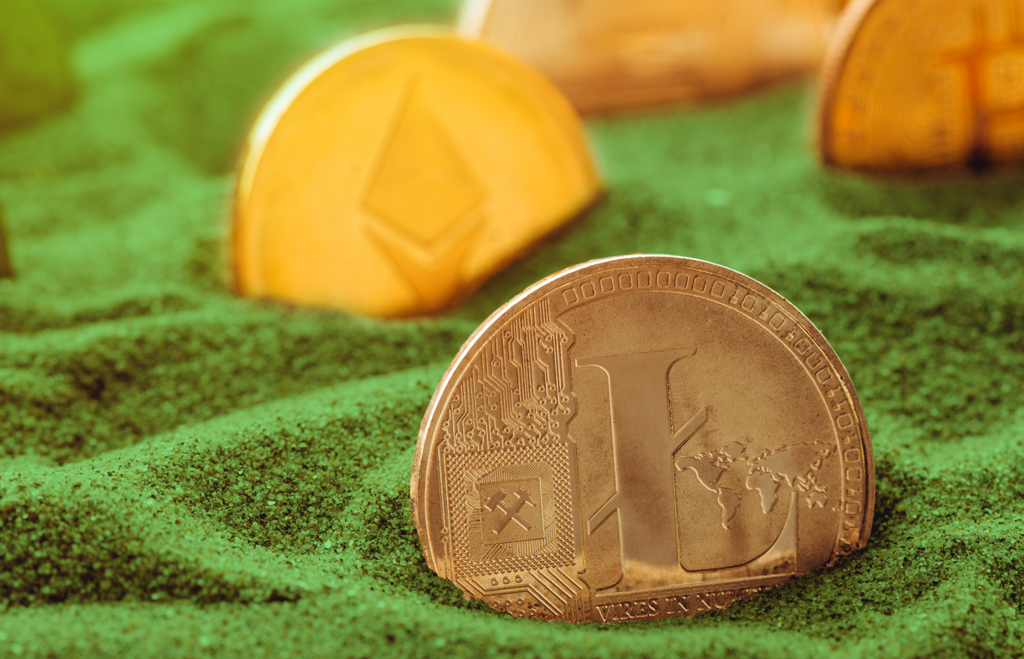
It’s important to distinguish between tokens and coins. Coins are native cryptocurrencies of blockchain networks (such as Bitcoin, Litecoin, or Ethereum), which enable transaction processing, payment of fees for various operations, rewards for network participants, and other key ecosystem functions.
Types of Tokens
Security Tokens
They give investors ownership rights to shares, bonds, company stakes, and other assets. Essentially, these are ordinary securities, just in digital format. Security tokens operate under the same laws as traditional securities, so their issuance and trading are controlled by regulatory authorities. Owners of such tokens can receive a portion of the company’s profits, participate in business management, and have other advantages. Thanks to blockchain, managing these assets becomes more transparent and faster, with less paperwork.
Security tokens improve the financial system’s operation by removing intermediaries — brokers, bank employees, and other transaction participants. Operations occur directly between parties, which means lower fees, faster deals, easier market access, more potential investors, and process automation.
Utility Tokens
They are created to perform specific tasks within a particular project or platform. For example, the Basic Attention Token (BAT) is used in the Brave browser to reward users. People receive BAT simply for viewing ads while working in the browser. Typically, such tokens only work within their platform and have limited application. Because of this, many utility tokens lose their value over time, and only some remain relevant and valuable.
Stablecoins
Tokens whose value is pegged to the price of a stable asset in a 1:1 ratio. These can be regular money (for example, the US dollar), gold, securities, and other assets with stable prices. Investors and traders use stablecoins for trading and diversifying their investments. Unlike regular money, stablecoins can be instantly transferred anywhere in the world. They’re also used to protect capital when cryptocurrency prices fluctuate significantly.
Governance Tokens
These are digital assets that give owners voting rights in making important decisions about a blockchain project’s development. Owners of such tokens can not only vote but also propose their own ideas for project improvement. Currently, governance tokens are popular in DeFi (decentralized finance) and GameFi (blockchain games). The most famous examples are: Uniswap (UNI), Aave (AAVE), and Sushi (SUSHI).
NFTs (Non-Fungible Tokens)
These are unique digital tokens that confirm ownership of digital objects: paintings, music, videos, game items, game characters, domain names, and more. Information about the owner and their NFT is recorded on the blockchain permanently — it cannot be changed or deleted.
How to Buy and Sell Tokens?
You can buy tokens through various platforms:
- Centralized cryptocurrency exchanges (CEX) – Binance, Coinbase, Kraken, Bybit, OKX, KuCoin, WhiteBIT, etc.
- Decentralized exchanges (DEX) – Uniswap, PancakeSwap, SushiSwap, Curve Finance, 1inch
- Online cryptocurrency exchangers – ChangeNOW, Changelly, FixedFloat, StealthEX, Exolix, and exchanger aggregators BestChange, ChangeHero, Swapzone
- Offline exchange points
To work on exchanges, you first need to register an account, complete the verification procedure, and fund your account.

Selling tokens is possible on centralized exchanges through a trading terminal, on decentralized exchanges using built-in exchange tools, or through instant conversion (swap) on corresponding platforms.
You can also obtain coins and tokens through Initial Coin Offering (ICO). As part of an ICO, a project team sells digital assets to raise funding necessary for further development. An alternative option is Initial Exchange Offering (IEO) — a similar mechanism where the exchange acts as an intermediary between the project and investors.
Some projects on blockchain platforms also distribute tokens as rewards for completing certain tasks: participating in airdrops, network testing, or loyalty programs.

How to Earn from Tokens and Where to Store Them
The simplest way to earn is to purchase an asset and wait for its value to increase. However, there are many more methods of profiting from tokens, some of which we’ve written about previously on the blog (through Airdrop participation).
Traders, for example, use any market fluctuations and earn during both price rises and falls. A token’s value is determined not only by market capitalization but also by its unique purpose and functionality within a specific platform or project. You can track fluctuations on centralized exchanges: Binance, OKX, Kraken, Bitfinex, Crypto.com, Huobi.
Profits are also obtained through investing in projects at early development stages using ICO or Launchpad. We’ve explained what this is in a separate article.
Cryptocurrency wallets are used to store coins and tokens: exchange wallets, cold (hardware), or hot (software) wallets. The choice of crypto wallet should be made according to your own needs and goals.
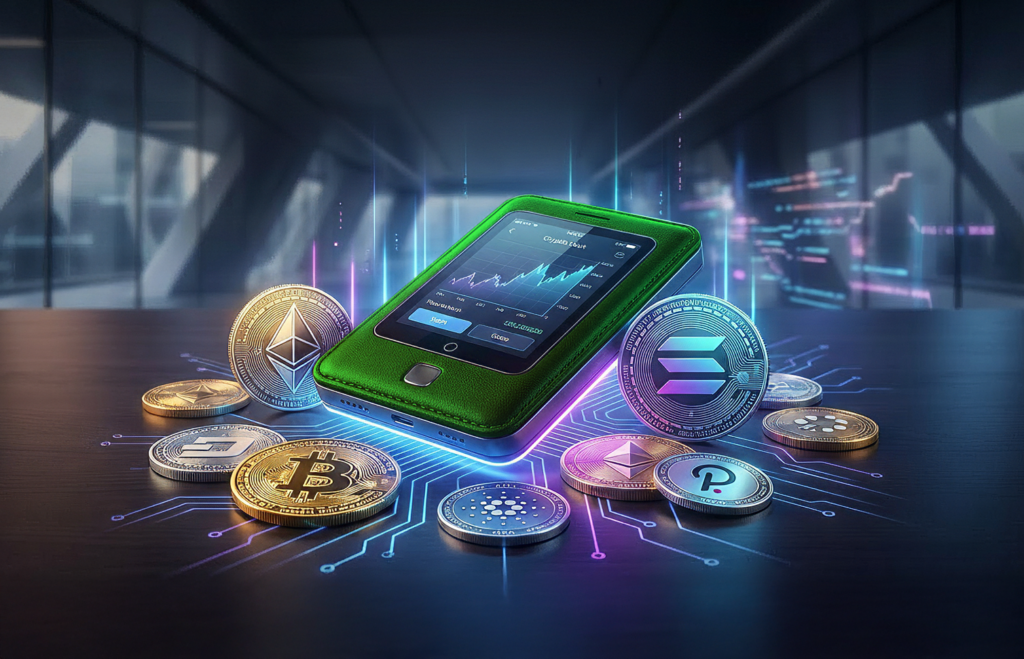
Many users “tokenize their assets,” which makes expensive assets accessible to ordinary people. Instead of buying a painting by a famous artist, you can purchase just a share of it—for example, for $100 or $1,000. This opens up the opportunity to invest in art or securities even with a small budget. Additionally, tokenization simplifies and speeds up the buying and selling of assets, makes them more liquid and accessible to investors from around the world. Sometimes tokenized assets can be exchanged back for the real asset.
Share this post
Link copied!