





What Are Retroactive Airdrops?
A retrodrop is a way to reward users who supported a project in its early stages. If someone used a blockchain platform before it even had its own token, there’s a chance they’ll later receive tokens as a reward for that early participation.
How is this different from a regular airdrop?
A standard airdrop works like a “snapshot”: tokens are distributed to everyone holding a specific coin on a certain date. A retroactive airdrop, on the other hand, looks back in time. It rewards users who actually interacted with the product — testing it, making transactions, engaging with the protocol.
Some users have earned hundreds of thousands of dollars simply because they started using a promising project early. That’s why many investors and crypto enthusiasts actively seek out new protocols and use them consistently — hoping to qualify for a future airdrop.
But it’s not just about money. Retroactive airdrops reflect the core philosophy of Web3: value should go to those who create it. Not just token holders, but the people who genuinely contribute to a project’s growth.
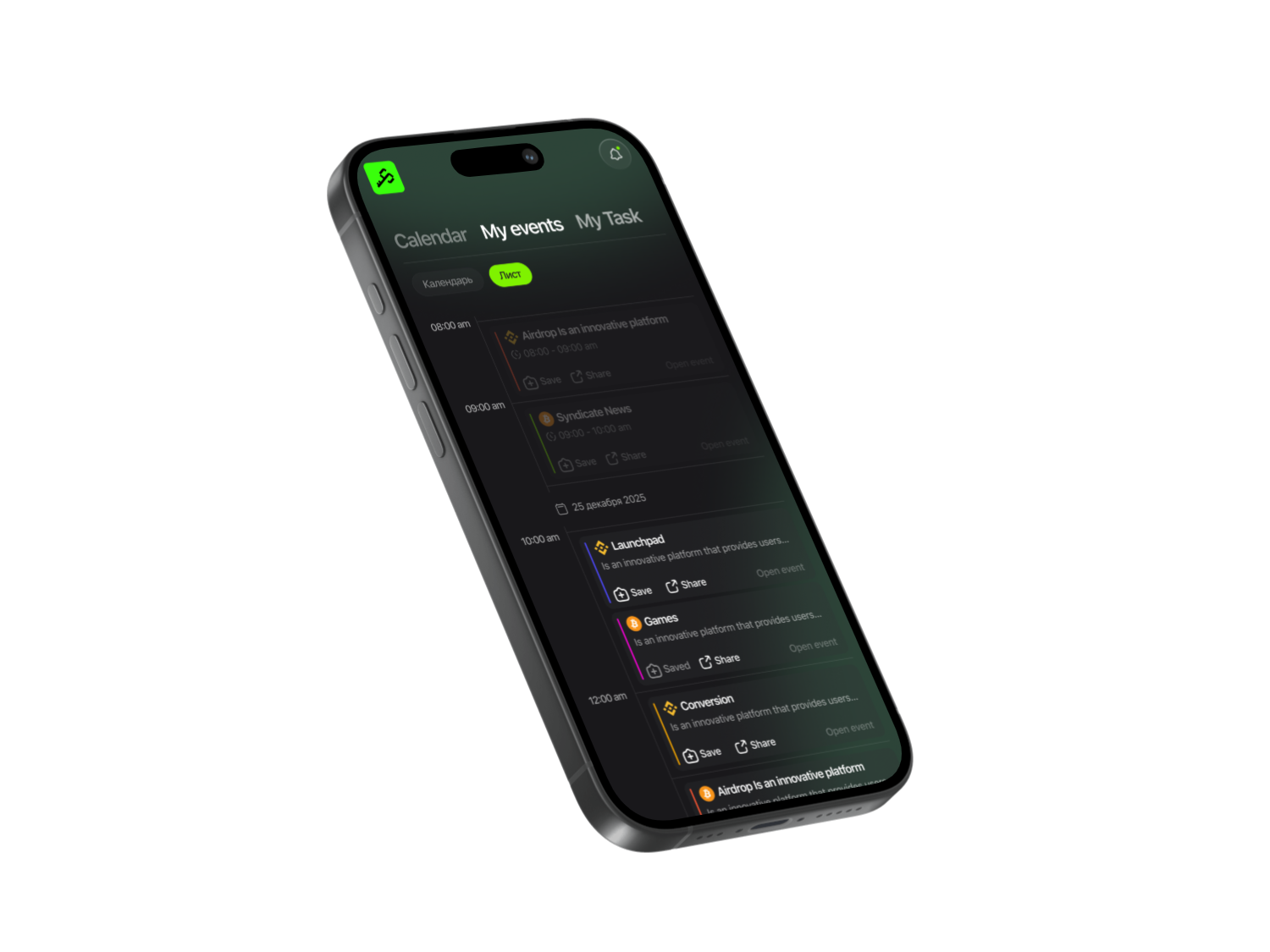
Get More with Syndicate App


Who Qualifies for a Retrodrop?
The main criterion is real activity. Projects analyze how you used their platform:
- How many transactions you made
- How long you held tokens
- How often you interacted
- Whether you participated in governance votes
The earlier you started and the more active you were, the higher your chances of receiving a meaningful reward.
How It Works in Practice
1. Participant Selection
The project team analyzes blockchain history to identify wallets that meet specific criteria. Since blockchain data is transparent, every interaction is visible: who used the platform, when, and how. Based on this data, a list of eligible wallets is created.
2. Reward Calculation
Each participant receives tokens proportional to their activity. The deeper and longer the engagement, the larger the allocation. The calculation methodology is usually published publicly for transparency.
3. Claiming the Tokens
Once allocations are finalized, users receive instructions — typically via email or social media — on how to claim their tokens. Usually, you just connect a compatible wallet and complete a few simple steps. The process is designed to be straightforward and secure.
Read next
How to start your journey in retrodrops
Pros and Cons of Retrodrops
Pros
- Free entry. No upfront investment required — simply using the platform can generate rewards.
- Reward for real contribution. You earn tokens for actively supporting the project.
- Early access to innovation. Participation encourages you to explore promising technologies before the mainstream.
- Community recognition. Early adopters often gain status and respect within the ecosystem.
Cons
- Scams. Not every project is legitimate. Fake airdrops are often used to collect user data or funds.
- Unclear criteria. It’s not always obvious what qualifies you for eligibility.
- Unpredictable outcomes. There’s no guarantee you’ll receive tokens — or that they’ll be valuable.
- Technical issues. Distribution errors or delays can occur.
- Legal uncertainty. In some countries, receiving tokens may have tax or regulatory implications.
The risks are real, so the golden rule is simple: research every project carefully. If something looks too good to be true — it probably is.
Retrodrops vs. Traditional Airdrop
A traditional airdrop is primarily a marketing strategy. Projects distribute tokens to attract attention and grow awareness. Often, users only need to follow social media accounts, join a chat, or repost content. Low barrier, broad reach.
A retroactive airdrop works differently. Rewards go to users who actually engaged with the project — making transactions, holding tokens, voting in governance, or testing the protocol. Everything is verifiable on-chain, and rewards are based on real usage data.
Get More with Syndicate App
Two landmark examples that set the standard:
- Uniswap — rewarded early users of its decentralized exchange
- Ethereum Name Service (ENS) — distributed tokens to users who registered and actively used blockchain domains
Both models have value but serve different goals. Standard airdrops drive rapid user growth. Retrodrops build stronger, more engaged communities. That’s why retroactive airdrops are widely considered a healthier long-term model.
Participation Criteria: How to Qualify
Everything is determined on-chain. Projects don’t handpick users — they analyze wallet activity. No randomness. Just data.
What Projects Look For
- Early adoption. Using the protocol before hype and token launch is highly valued.
- Consistency and depth. One transaction rarely matters. Regular and diverse interactions do.
- Longevity. Short-term use signals little commitment. Long-term engagement shows trust.
- Quality of actions. Meaningful participation — testnets, advanced DeFi usage, governance — matters more than click farming.
Understanding these criteria changes your crypto strategy. Activity becomes intentional: you systematically explore projects and position yourself for future rewards.
Notable Retrodrops in History
Several major blockchain ecosystems have conducted (or are expected to conduct) retroactive airdrops:
- zkSync — Ethereum L2 using zero-knowledge proofs
- Starknet — another ZK-based L2 network
- LayerZero — enables interoperability between blockchains
- Optimism — already distributed OP tokens to early participants
How to Increase Your Chances in 2026
- Research early. Most large airdrops went to early adopters.
- Take action. Reading isn’t enough — use the dApp.
- Be intentional. Focus on meaningful interactions, not spam transactions.
- Track your activity. Use separate wallets and document your experiments.
- Plan ahead. If tokens arrive, know how you’ll store, swap, or stake them.
How to Find Potential Retrodrops
- Use aggregators and tracking apps. Platforms like Syndicate provide project lists, task checklists, and guides.
- Follow project announcements on X, Telegram, official blogs, and websites. Early information means more preparation time.
Examples of Well-Known Retrodrops
- Uniswap V3 — rewarded liquidity providers
- Solana Foundation Ignition Hackathon — tokens distributed to participants
- Axie Infinity — rewarded active players
Important: retroactive airdrops are not guaranteed income. Not every token appreciates. Treat this as one strategy — not your main source of revenue.

How Much Can You Earn?
Joining early can bring more than just an airdrop. Early users are sometimes invited to become ambassadors or partners, gain access to seed rounds (buying tokens at the lowest price), or receive larger future allocations.
You Can Earn a Drop For:
- Participating in beta tests or testnets (especially for Layer1–Layer3 blockchains)
- High transaction counts
- Large transfer volumes
- Locking assets (staking, bridges, liquidity pools)
- Deploying or interacting with smart contracts
- Using dApps — especially on major networks like Ethereum, BNB Chain, Solana, or TON
- Running and maintaining a node
- Participating in DAO governance
- Creating multisig wallets
- Registering blockchain domains
- Holding project NFTs
- Contributing to development, design, bug reports, GitHub suggestions, or other ecosystem support
The team at De.Fi, a well-known Web3 blog, describes retroactive airdrop hunting as one of the best ways to earn in DeFi during a bear market.
Retroactive airdrops reward those who show up early and stay engaged. In Web3, participation isn’t just activity — it’s opportunity.
Share this post
Link copied!