




Why do 10 USDT have value on one network but are almost worthless on another? In blockchain, there are two types of networks — the main network (mainnet) and the test network (testnet).
What is a testnet?
A testnet is a separate version of a blockchain created specifically for development and testing. Before launching a project on the real network, developers check all functionality here. And as a participant, you help the project grow. The project tracks everything: how many transactions users made, how long they tested, whether they left feedback about bugs in groups — in other words, how actively they participated. This is what later affects airdrop distribution.
In terms of structure, a testnet is максимально similar to the main network: same technologies, same tools, same logic. There’s only one difference — the tokens here aren’t real and have no value, they’re just used to perform transactions. This allows developers to experiment freely, run transactions, and fix errors without risking real assets.
Why testnet matters
Testing on the main network is expensive: every transaction, update, and deployment requires real fees. If a bug is discovered on mainnet, it can lead to failures and financial losses for users. Testnet helps avoid all of that — here you can try, fail, and fix things without consequences for the real network and its participants.
Testnet tokens are not compatible with mainnet tokens, so they exist in complete isolation. That’s what makes testnet safe for any kind of experimentation.
Mainnet vs testnet: what’s the difference
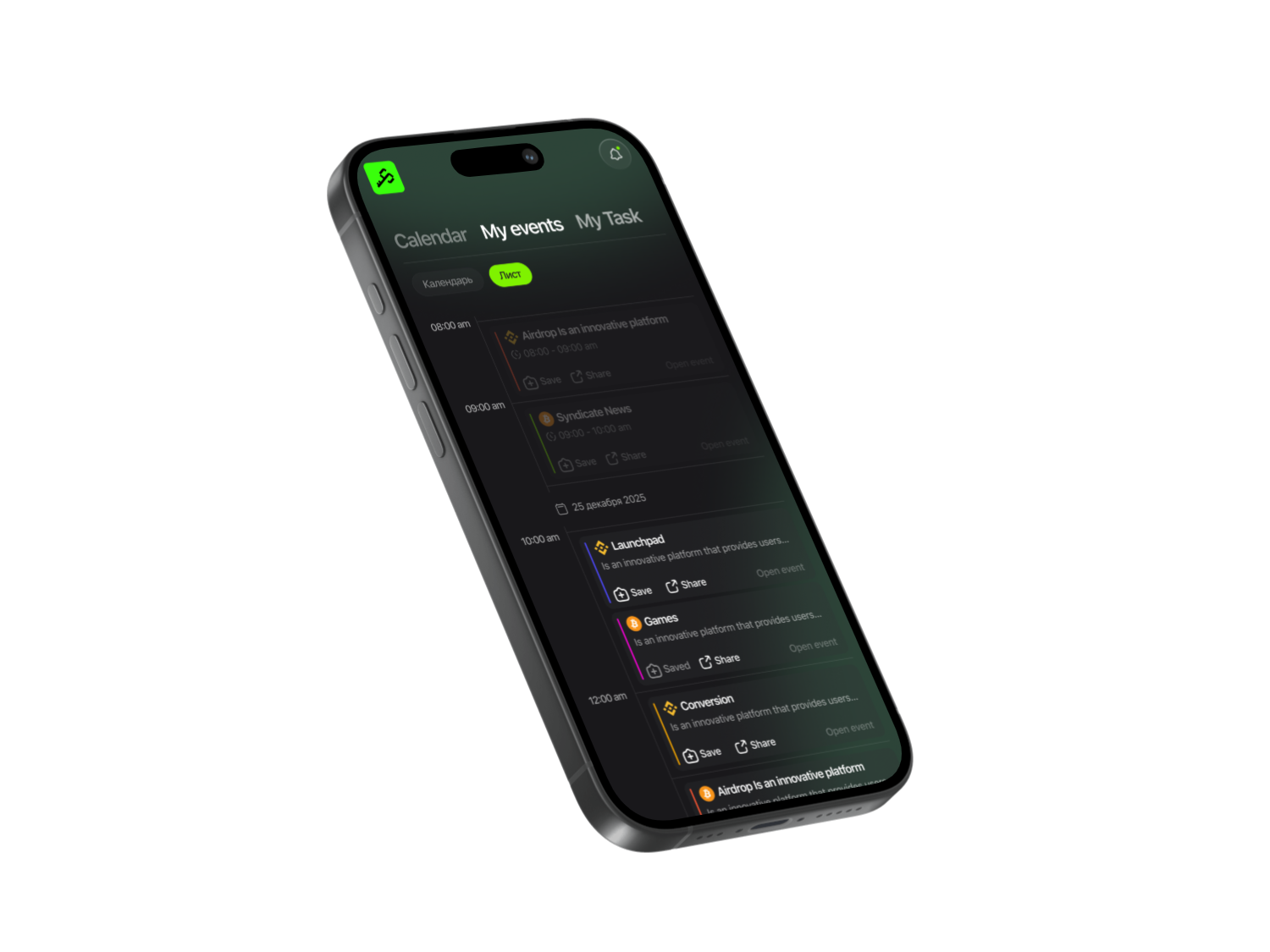
After testnet, a project moves to mainnet and launches its blockchain and token (TGE — Token Generation Event with exchange listing). Those who helped support the network during testnet may receive tokens as a reward. But not every testnet distributes an airdrop. Recent large projects like Berachain, Plume, and Sonic generously rewarded early users without any investments. And if you want to know which projects are worth working on, download the Syndicate app with a calendar of all актуальные events.
Mainnet is the real network where actual transactions happen, tokens have real value, and all operations are permanently recorded on the blockchain. Examples of mainnets include Ethereum and Bitcoin. Every transaction on the main network requires a fee — this protects the network from spam and incentivizes participants to maintain it.
The mainnet opens the project’s code for public verification, which increases user trust. A project with a working mainnet inspires more confidence than one that only exists on paper. It proves that the blockchain actually works and invites anyone to participate. In addition, mainnet creates the foundation for launching decentralized applications — dApps. That’s why projects spend a long time testing in testnet before going live.
How to earn on testnet
Interface testing is the simplest way — no special knowledge or equipment required. You’ll be asked to test platform features, find bugs, and perform transactions with test tokens. If something goes wrong or you find an issue, you just describe the problem.
It usually looks like this: connect your wallet to the platform, receive test tokens, and perform several transactions. For your activity, you get rewarded with real tokens. The amounts vary — sometimes small, sometimes quite приятные. Even $50–100 for simple actions is already decent.
Popular testnets in 2026
- RobinHood
- Arc
- Linera
- Gopher
- Nexus
- Miden
- Concrete
- Tempo
- Neura
- Aptos Testnet
How traders can use testnet and mainnet
Testnet is great for practicing trading strategies. You can test spot and futures trading on platforms like Binance Testnet or Bybit Testnet — without risking real money. It’s also convenient for setting up and testing trading bots: once the algorithm is polished on testnet, it can easily be transferred to mainnet by simply switching API keys.
Another way to earn is to actively participate in testnets and qualify for airdrops and retrodrops after the mainnet launch.
What to do on mainnet
Once your strategy is tested on testnet, you can move it to mainnet, taking into account real liquidity and fees. Here everything is real: transactions with real tokens, staking with real rewards, working in DeFi, and full market monitoring through exchanges, wallets, and real-time charts.
To withdraw your earnings, you’ll need a crypto exchange — that’s where you can sell tokens or swap crypto.
If you’re a beginner, always start with testnet. Here you can make mistakes, understand smart contract logic, and gain experience without risking real money. Testnet is also useful for experienced traders: it’s a convenient space to test strategies, explore new projects, and prepare for airdrops.
Before moving to mainnet, keep a few things in mind: fees eat into profits, transactions are irreversible, and smart contracts should be verified through audits. Use separate wallets for testnet and mainnet, and don’t cut corners on security. Every action on the main network should be intentional.
A simple rule: test first, make sure everything works reliably — and only then move to mainnet. This will save you money, time, and protect you from unpleasant surprises.
Share this post
Link copied!